
If your home has an electric hot water cylinder and an Economy 7 tariff, you already pay far less for energy used overnight. The catch is that a basic timer does not know whether the water is already hot, how much you really use, or whether tomorrow is a good day to heat at all. Add a Zigbee relay and Home Assistant, and the cylinder heats only when it needs to, at the cheap rate.
Key points
- Economy 7 gives you seven cheaper hours overnight, which suits a hot water cylinder that stores heat for the next day.
- A typical immersion heater draws 3 kW, so heating a 180 litre cylinder from cold takes roughly three hours.
- A mechanical timer heats on a fixed schedule. Home Assistant can adapt it to your habits, the weather or your solar production.
- The NodOn SIN-4-1-21 switches loads up to 3,000 W and measures what the cylinder actually consumes.
Why a hot water cylinder suits Economy 7
An Economy 7 meter splits the day into two rates: a higher day rate and a lower rate for seven hours overnight. A hot water cylinder is the ideal customer for that cheap window. It stores energy as heat, so you can fill it while electricity is cheap and use the hot water the next morning and evening. Selectra's Economy 7 guide explains how the tariff works and who benefits most, including households with storage heaters and hot water tanks.
Cylinders come in several sizes. As a guide, heating a 120, 180 or 210 litre cylinder from cold needs about 6.3, 9.4 and 11 kWh respectively. With a standard 3 kW immersion heater, that is roughly two to four hours of heating, well inside the seven-hour cheap window.
What does it cost?
Rates vary by supplier and region, so take these figures as an illustration only. Imagine a day rate of 26 p/kWh and a night rate of 12 p/kWh. Heating a 180 litre cylinder (about 9.4 kWh) at the day rate costs around £2.44. The same energy at night costs around £1.13. That is a saving of about £1.30 for each full heat-up. Check your own tariff before drawing conclusions.

Beyond the basic timer
A timer repeats the same schedule every night, even when the water is still hot after a quiet day. A home automation system can do better. It can heat only what you need, run an extra boost if you are expecting guests, or shift heating to another period when your tariff or your solar panels make it cheaper.
If you generate your own electricity, the same cylinder can also absorb surplus solar power. Our colleague Pascal Stephany describes this approach in Controlling a Water Heater with the SIN-4-1-21.
Controlling the cylinder with the SIN-4-1-21
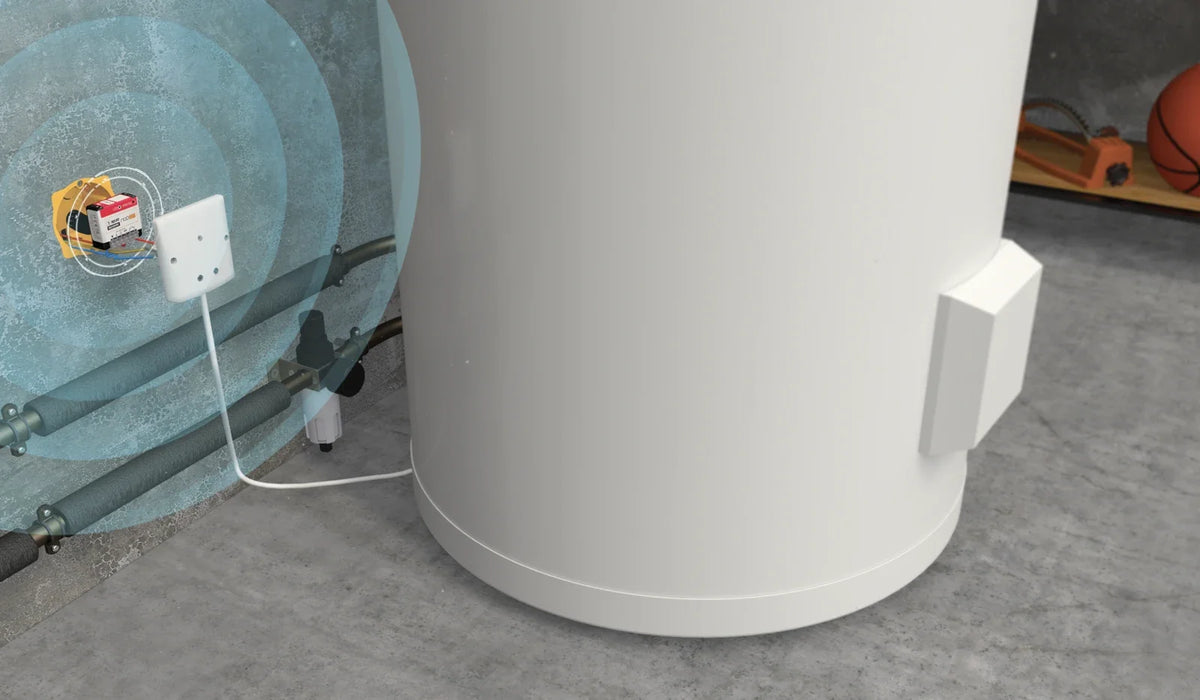
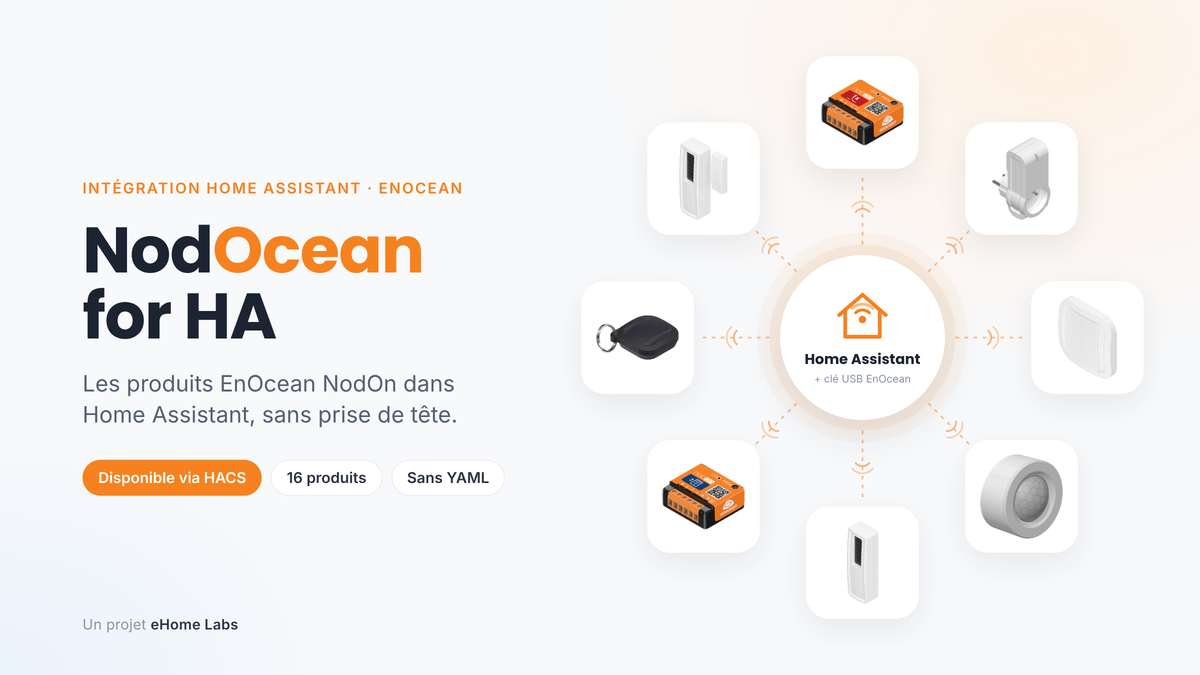
The NodOn SIN-4-1-21 is a Zigbee multifunction module that combines switching and energy metering. It works on 230 V AC, supports up to 14 A and 3,000 W, and carries the UKCA mark. It needs a neutral wire, and it works with Home Assistant through ZHA or Zigbee2MQTT.
For a standard 3 kW immersion heater, the module can switch the load directly. If your cylinder draws more than 3,000 W, or if you prefer to keep a heavy load away from the module, use its dry contact output to drive a contactor rated for the load. The contactor does the heavy switching and the SIN-4-1-21 simply gives the order.
Wiring an immersion heater involves mains voltage and often a dedicated circuit. Have the installation done or checked by a qualified electrician.
If you want an outside opinion on the module, the Smart Home Assistant review of the SIN-4-1-21 covers it in detail. The reviewer states that the review is independent, recommends the module, and notes the 3,000 W limit.
Measure what you save
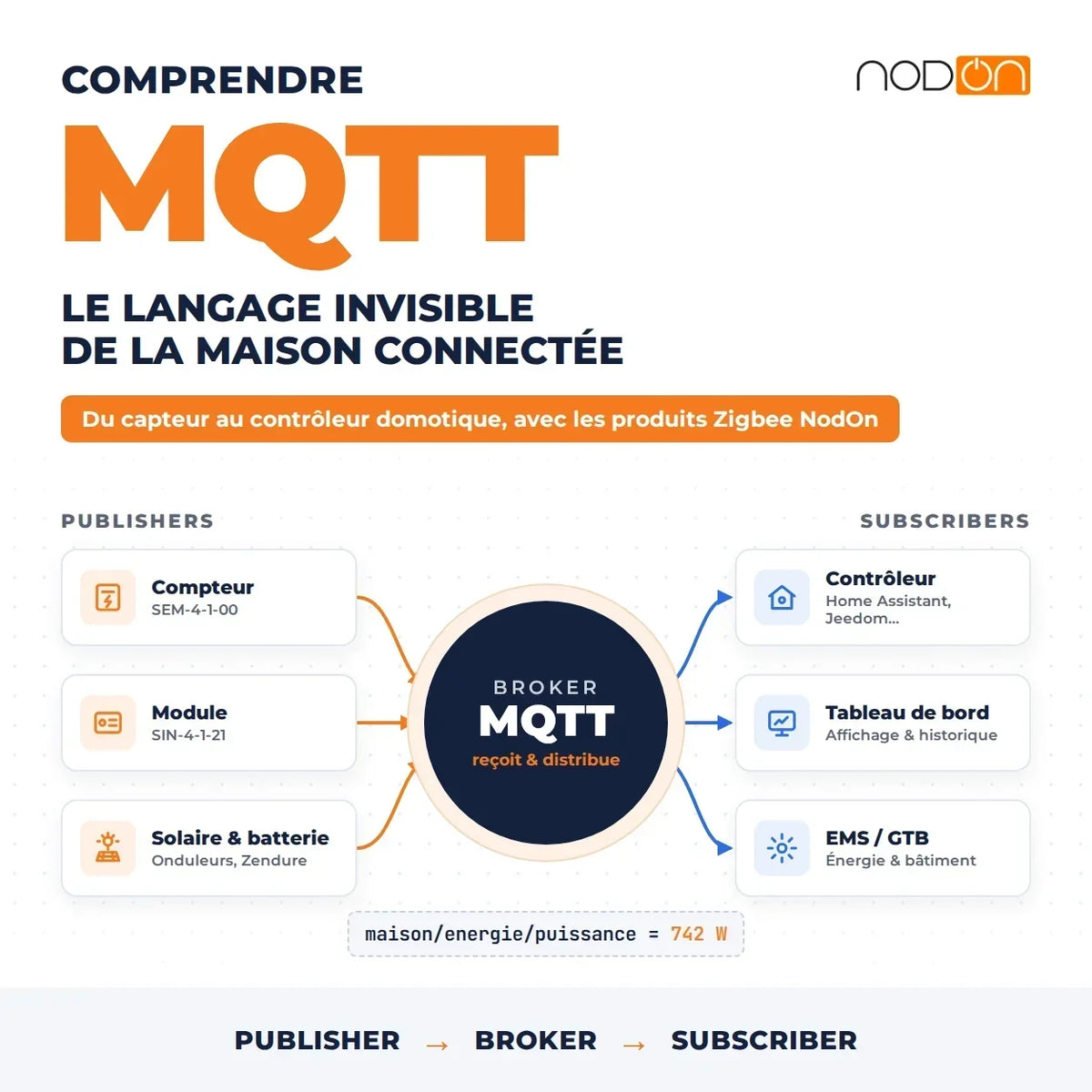
Metering turns guesses into numbers. The SIN-4-1-21 reports the power and energy used by the cylinder. To follow a whole circuit or your whole home, add the SEM-4-1-00 energy monitor in your consumer unit. We explain how to bring everything together in Building a Residential EMS with Home Assistant and NodOn Zigbee Products.

Frequently asked questions
Do I need an Economy 7 meter to benefit?
No. Home Assistant can also schedule heating around time-of-use tariffs, half-hourly prices or solar production. Economy 7 is simply the easiest case to start with, because the cheap hours are fixed every night.
Does this work with a combi boiler?
No. A combi boiler heats water on demand and has no cylinder to store it. This guide is for homes with an electric hot water cylinder, usually fitted with an immersion heater.
Do I need a hub or a gateway?
Yes. Zigbee devices need a coordinator, for example a Zigbee USB stick connected to Home Assistant, or another compatible gateway.
What if my immersion heater is more than 3 kW?
Use the SIN-4-1-21 dry contact output to control a contactor rated for the load, and have it installed by an electrician.
Does a smart meter change anything?
A smart meter does not prevent any of this. Your tariff and its cheap hours still decide when heating is most economical, so check them with your supplier.

Leave a comment
This site is protected by hCaptcha and the hCaptcha Privacy Policy and Terms of Service apply.